
Community
Some Wisconsin monarchs have made it to Mexico months after being tagged months ago
By Katherine Langford
Advertisement · Why this ad?
Marcus manages the day-to-day editorial workflow across all brands, coordinating coverage assignments and ensuring editorial standards are met. He previously served as city editor at the Pioneer Press and holds a degree in Political Science from Carleton College.
More from Marcus →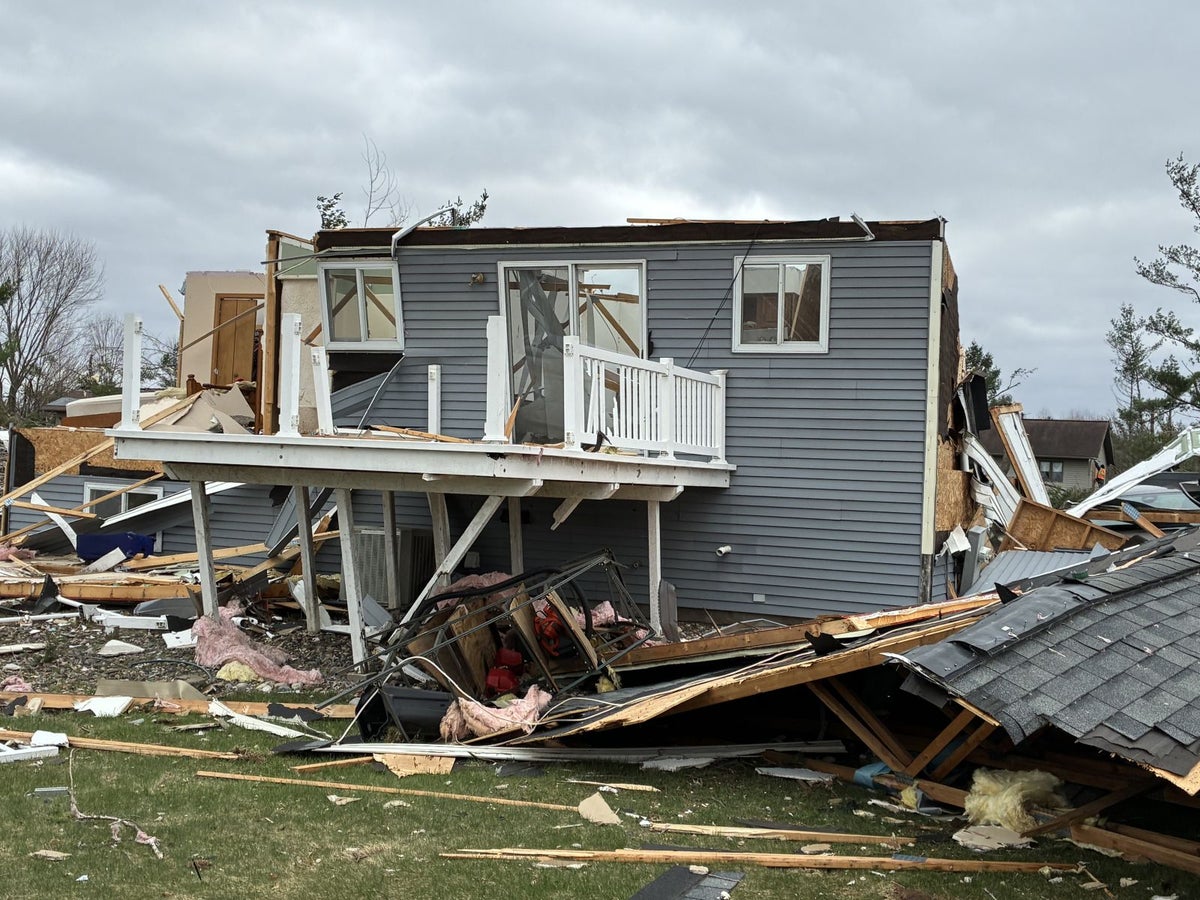
Almost seven months have passed since a devastating tornado tore through the small community of Ringle, Wisconsin, but the road to recovery remains long and arduous. While the initial shock of the disaster has faded, many residents are still grappling with the aftermath, facing challenges from housing shortages to unexpected insurance gaps. The Community Foundation of North Central Wisconsin, a key responder to the disaster, has distributed nearly every dollar raised in its tornado relief fund, highlighting the immense and ongoing need for assistance.
Ringle, nestled in Portage County, is a close-knit rural community with a population of just over 1,300. Its economy is largely based on agriculture and small businesses, and the tornado’s impact has been felt deeply across all sectors. The storm carved a path of destruction through the area, leveling homes, businesses, including the beloved Ringle General Store, a local institution serving the community for generations, and iconic landmarks. The immediate aftermath saw an outpouring of support from neighboring communities and across the state, but the long-term recovery process is proving to be more complex than initially anticipated. Ringle’s location also contributes to its vulnerability; situated in a region often experiencing severe weather, its relatively limited infrastructure makes it particularly reliant on external support during emergencies. The area's agricultural heritage means many homes are older, often lacking the modern construction standards that could mitigate tornado damage, and the community's close ties mean that loss is felt by everyone.
The Community Foundation of North Central Wisconsin received $455,000 from 882 donors following the April tornado. The foundation has disbursed funds for roof repair, gaps in insurance coverage, temporary housing, and food assistance. While the initial outpouring of support was significant, leaders at the foundation emphasize that the costs of rebuilding homes and lives are substantial. “It might look like we have raised a lot of money here with almost half a million, but that goes so quickly when we’re talking about rebuilding homes,” said market manager Elizabeth Robinson. The foundation's direct assistance to individuals has been particularly crucial, with over $243,000 distributed in individual grants of up to $4,000. This money has helped cover a wide range of immediate needs, from clothing and medical expenses to transportation and temporary lodging. These grants, while vital, represent a fraction of the total recovery cost, underscoring the long-term commitment needed from both public and private sources. The foundation's role extends beyond direct financial aid; they also serve as a crucial point of contact for residents navigating the complex web of federal, state, and local assistance programs.
The Community Foundation serves a large geographic area, encompassing 17 counties in North Central Wisconsin. Their work extends beyond disaster relief, encompassing community development, grantmaking, and leadership initiatives. The tornado response fund was specifically created to address the immediate and long-term needs of Ringle residents, and the foundation has worked closely with local officials and other nonprofits to coordinate efforts. The speed with which they were able to distribute funds – cutting checks within a month of the disaster – was critical in providing immediate relief. This rapid response was facilitated by the foundation's established infrastructure and relationships within the community, allowing for efficient disbursement of resources when they were needed most. The foundation’s experience in Ringle highlights the importance of proactive disaster preparedness and the value of having readily accessible funds available to respond quickly to emergencies.
“Even though our check sizes have been small, I think they really have helped make a difference for them immediately,” said Community Foundation CEO Tim Parker. “Within a month, I think, we were cutting our first checks to people.” The town of Ringle website lists multiple support programs available to those affected by the tornado here. The town government has also been instrumental in coordinating volunteer efforts and connecting residents with resources. However, the town’s limited resources and staff have been stretched thin, highlighting the need for continued state and federal assistance. The Ringle Town Board has faced increased scrutiny as they navigate the complexities of disaster recovery, balancing the needs of residents with the constraints of local government budgets.
A significant hurdle for many residents has been navigating the complexities of insurance coverage. “Insurance seems to be one of the bigger, especially financial, challenges for people,” Parker noted. Some homeowners have found that their insurance payouts fall far short of the cost to rebuild, leaving them with unexpected out-of-pocket expenses. “To come up with an extra $30,000 out of your pocket to have a roof on your house is really difficult, and that affects every aspect of your life,” Parker explained. The need for affordable housing is also compounding the problem, particularly for those whose temporary rental assistance is expiring. The experience in Ringle reflects a broader trend in Wisconsin, where homeowners often find themselves underinsured or facing unexpected gaps in coverage after disasters. The state's regulatory environment for insurance companies and the availability of affordable coverage, particularly in rural areas, are now likely to face greater scrutiny.
The issue of insurance coverage often stems from a combination of factors, including policy limitations, deductibles, and disagreements over the extent of damage. Some residents may have older homes with outdated insurance policies that don't fully cover the cost of rebuilding to current standards. Others may be struggling to understand the fine print of their policies and the process for filing claims. The Community Foundation is working to connect residents with insurance experts who can help them navigate these complexities and advocate for fair settlements. Understanding the intricacies of homeowner’s insurance is crucial, especially in regions prone to severe weather events like tornadoes. Many policies have limitations on wind damage, or exclude coverage for specific types of losses. The process of appealing denied claims can be lengthy and frustrating, requiring documentation and potentially legal assistance – resources that are often scarce for those already struggling financially. Legislative action to ensure adequate insurance coverage and streamline the claims process could be beneficial for communities facing similar challenges in the future.
“We have one individual whose rental coverage from the disaster is expiring, and they don’t know where they’re going to live,” Parker said. “It’s hard to find rental units that will take them — and that they can afford.” The scarcity of affordable housing in Portage County and surrounding areas is a long-standing issue, and the tornado has only exacerbated the problem. Competition for available rentals is fierce, and many landlords are hesitant to accept tenants with damaged credit or limited rental history. The lack of available housing isn’t just a problem for those displaced by the tornado; it impacts the entire region, hindering economic recovery and limiting opportunities for workforce development. The situation underscores the need for investment in affordable housing initiatives at both the local and state levels, and highlights the importance of addressing systemic issues that contribute to housing instability. The lack of available rental units also puts pressure on existing social services, which are struggling to meet the increased demand for assistance.
Unexpected challenges have also arisen from residents with multiple pets, a common situation in the rural community of Ringle. Housing options in nearby towns like Weston and Wausau may not always permit them to bring their furry friends. This seemingly minor detail can be a significant barrier to finding suitable housing, particularly for families who consider their pets to be members of the family. This highlights the importance of inclusive housing policies that recognize the needs of pet owners, especially in rural communities where pet ownership is prevalent. The incident also demonstrates how disaster recovery can intersect with deeply personal considerations and the importance of addressing non-traditional needs during crises. The challenge underscores a broader need to consider the emotional and practical attachments residents have to their homes and possessions during disaster recovery efforts.
The long road to recovery in Ringle highlights the ongoing need for support and the importance of addressing the complex challenges that arise in the wake of natural disasters. As the community rebuilds, attention will likely turn to strengthening infrastructure, improving insurance coverage, and ensuring access to affordable housing for all residents. The experience serves as a reminder of the resilience of rural communities and the power of collective action in overcoming adversity.
By Katherine Langford

By Marcus Chen

By Marcus Chen

By Katherine Langford